








Low-Smoke Outdoor Heating Goes Mainstream: Why Secondary Combustion Matters
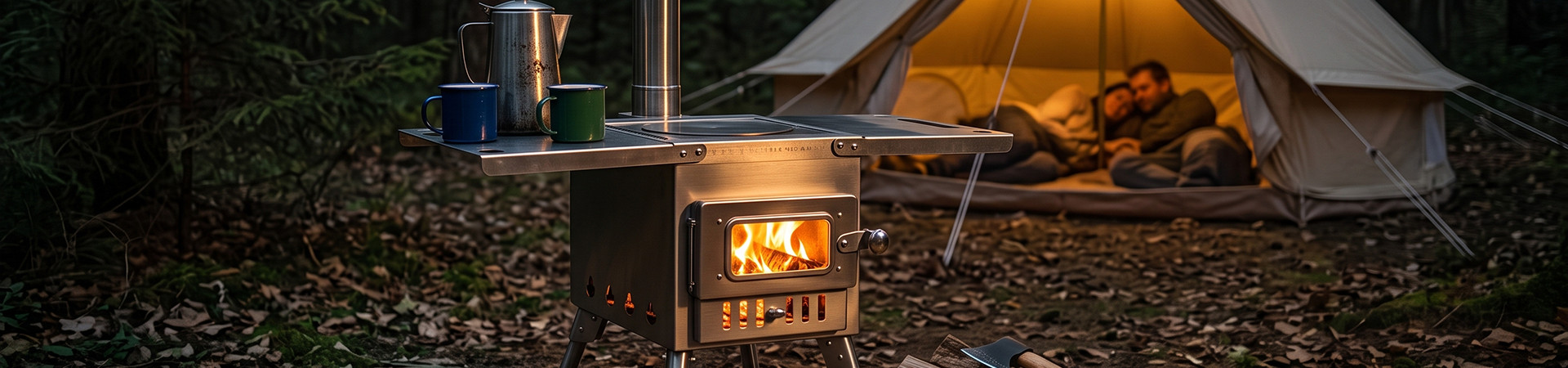
For years, the trade-off with an open campfire was simple: warmth and ambience on one side, smoke in your eyes on the other. That compromise is quietly disappearing. Across North America and Europe, demand for low-smoke outdoor heating has moved from a specialty request to a mainstream expectation — and the technology behind it is secondary combustion.
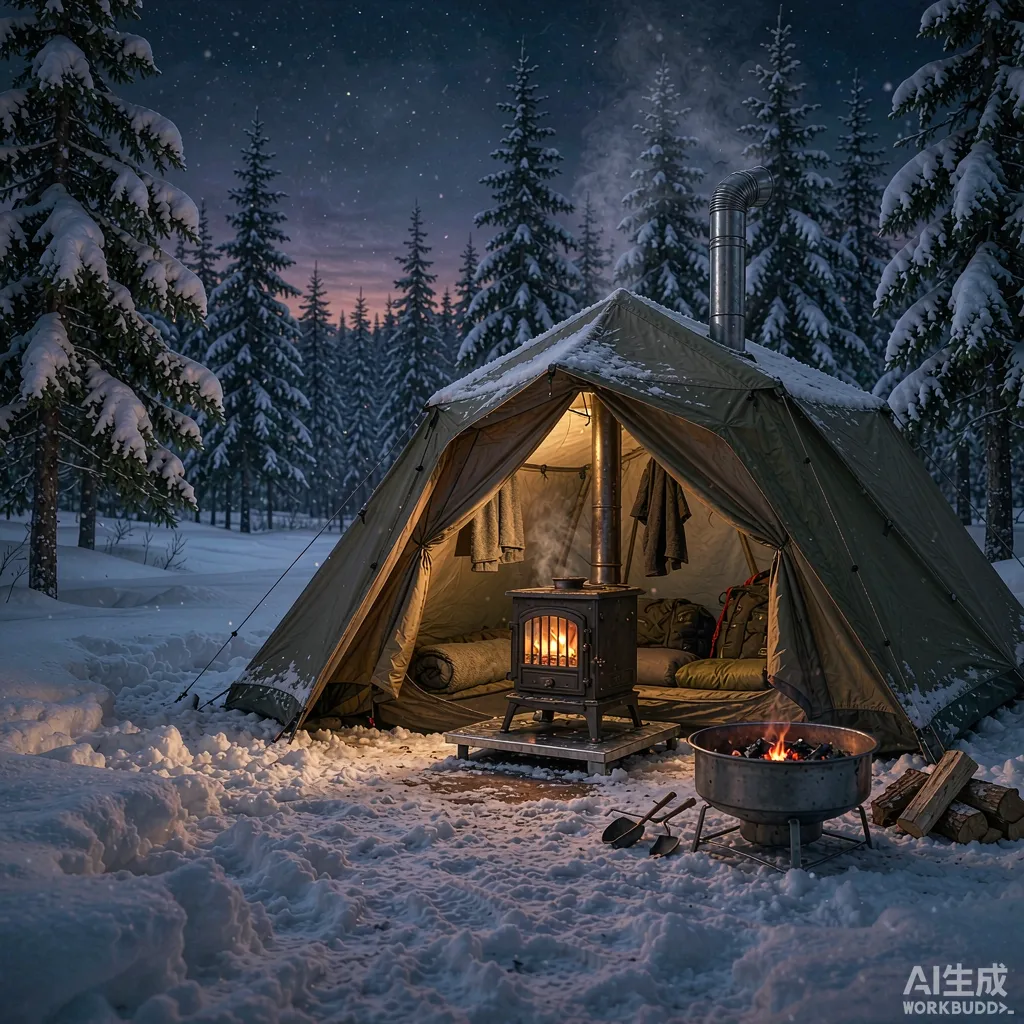
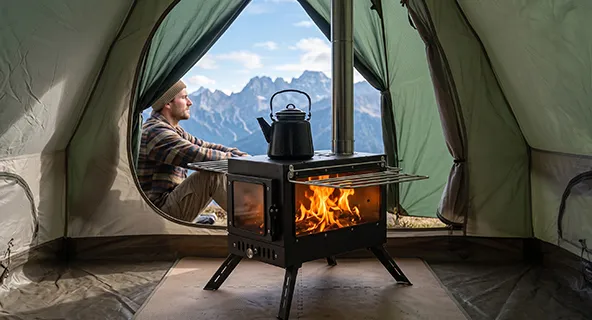
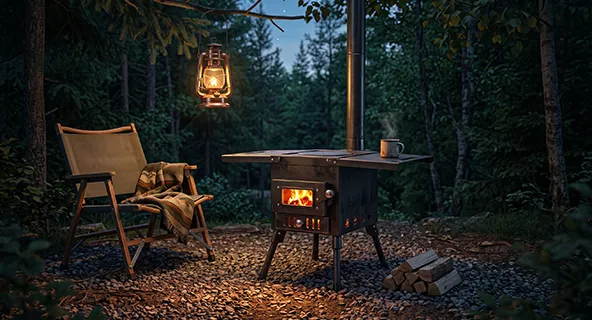
Secondary combustion works by re-burning the gases and fine particles that would otherwise escape as smoke. In a well-tuned stove or fire pit, a second air intake ignites these gases at higher temperature, which both cuts visible smoke and squeezes more heat from the same fuel. The result is a steadier flame, less odor, and a noticeably cleaner experience for anyone sitting downwind.
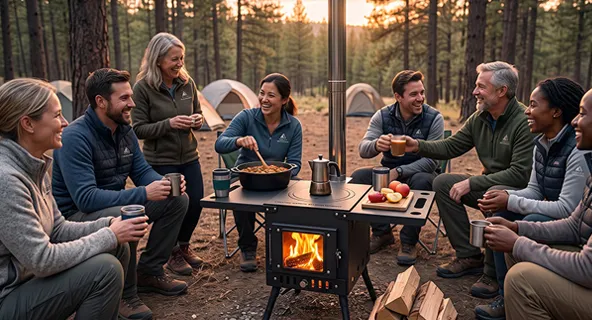
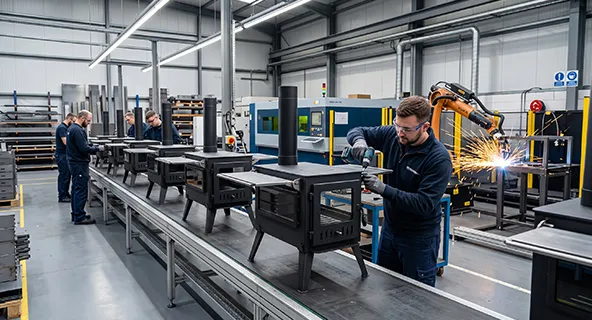
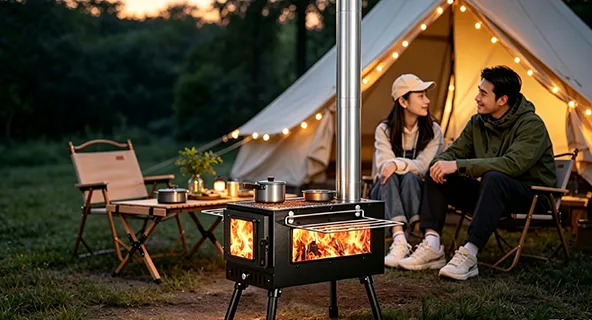
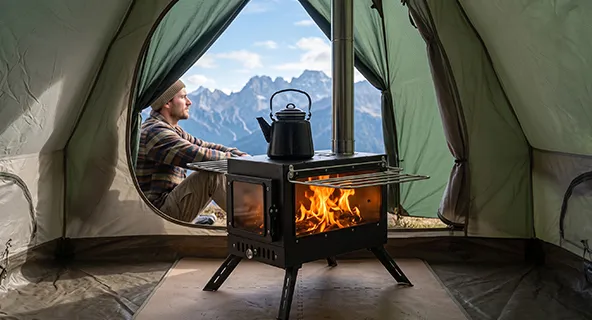
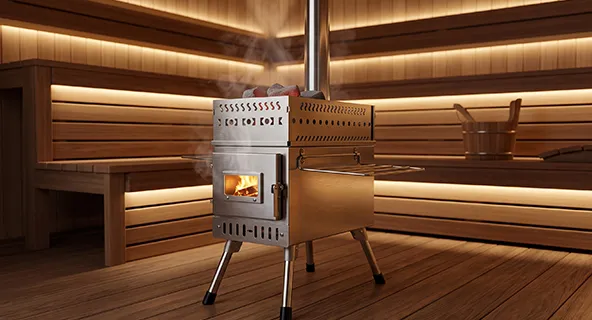
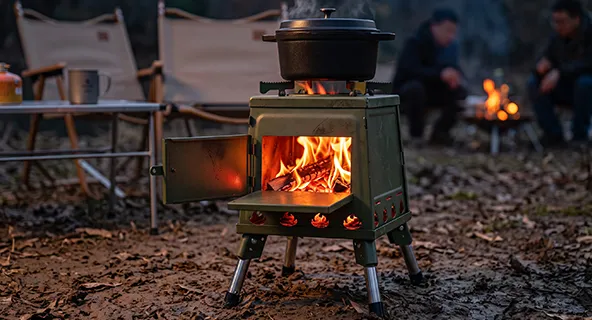
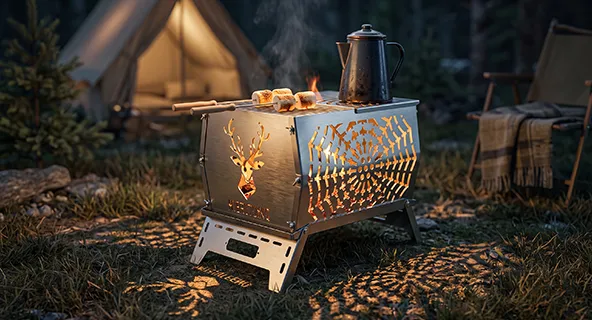
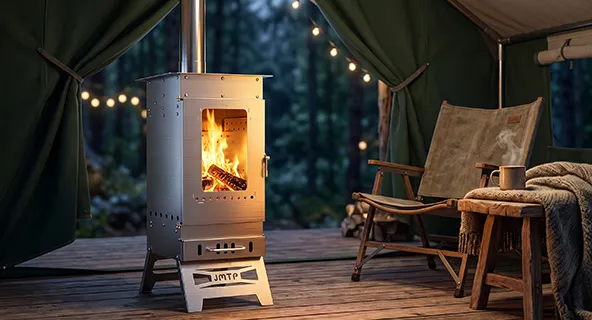
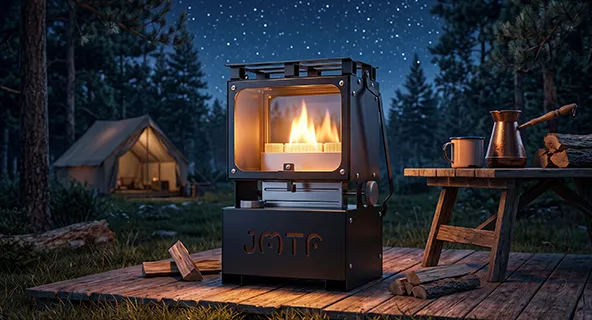
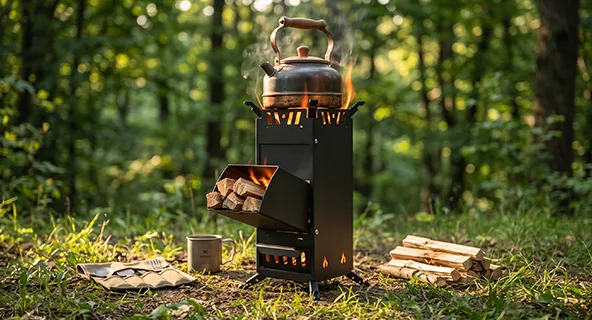
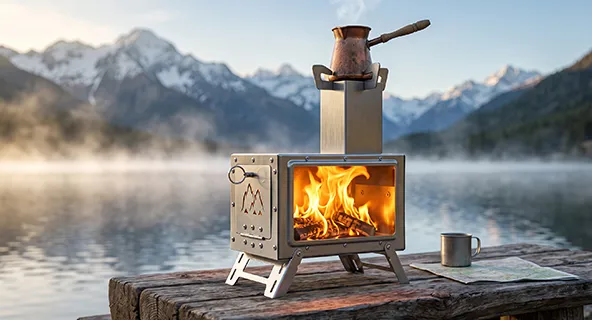
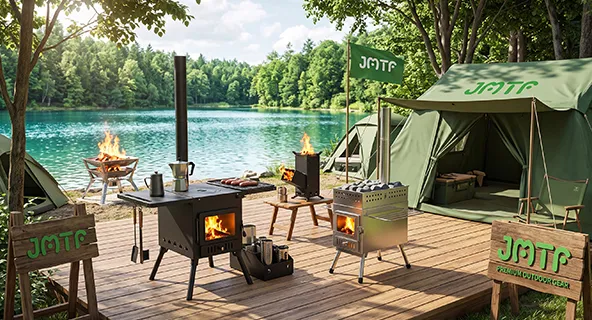
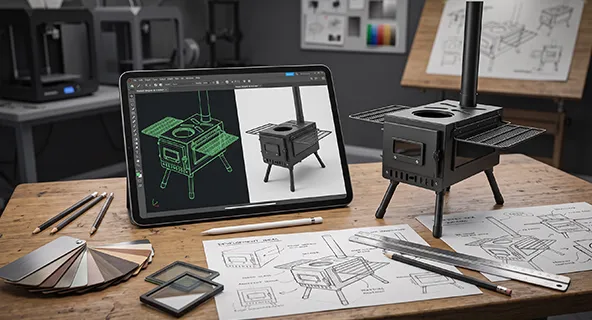
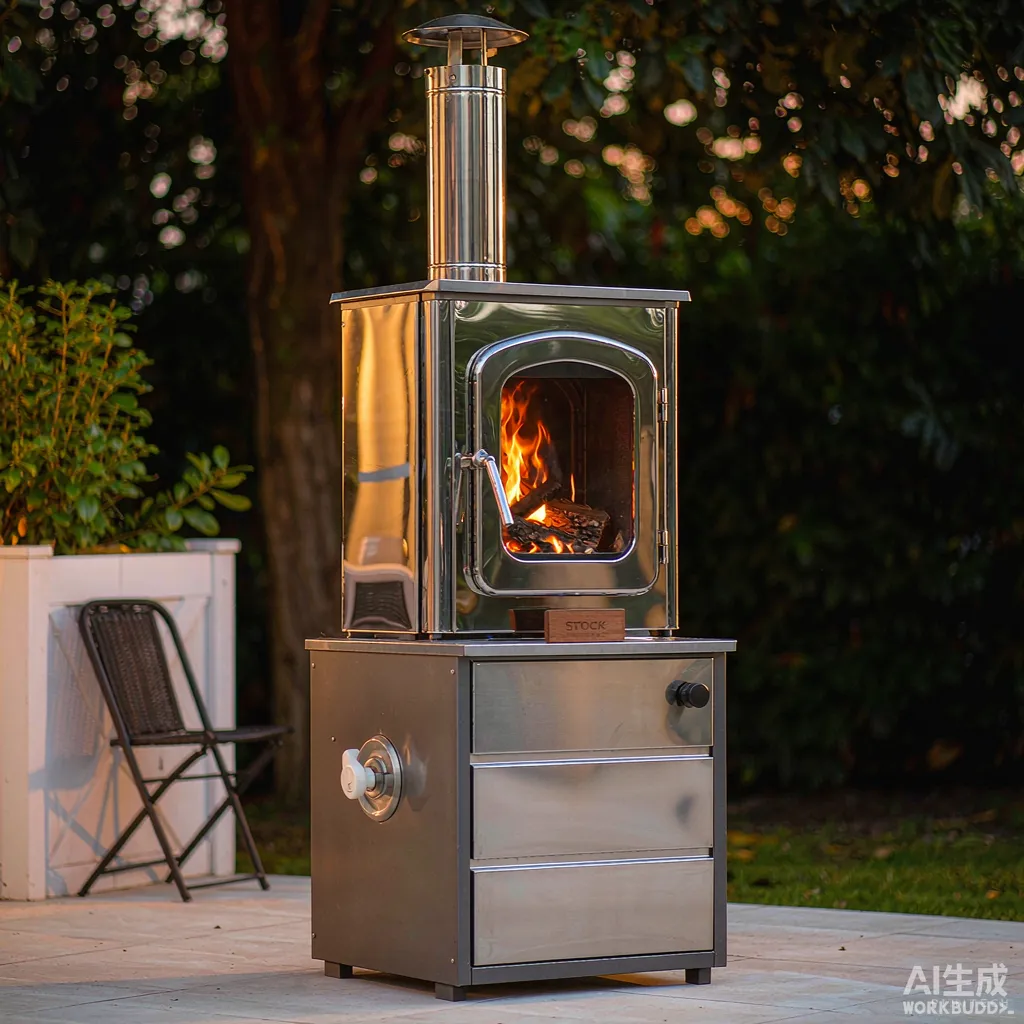
At JMTF, secondary combustion is built into the core of several product lines rather than added as an afterthought. The rocket stove series — including the compact 2024H model — is designed around this principle, using a tall, insulated burn chamber to keep combustion hot and efficient. The outdoor fire pit range, such as the HP280, HP350 and HP480 flame incinerators, applies the same thinking to backyard and campsite gatherings where nobody wants a smoky patio.
The shift is also pulling regulation and buyer behavior in the same direction. Outdoor enthusiasts are increasingly conscious of air quality, and several regions have introduced restrictions on open burning during dry seasons. A low-smoke appliance that meets these expectations is simply easier to live with year-round.
For dealers and distributors, the takeaway is practical: low-smoke performance is now a selling point customers can see and feel, not just a specification on a sheet. As outdoor living and four-season camping keep growing, clean combustion is likely to become the baseline buyers filter by — making it worth highlighting in every product conversation.
Explore JMTF's outdoor stoves and outdoor fire pits to see secondary combustion in practice.